Understanding Life Insurance Quotes

When it comes to securing your family’s financial future, life insurance quotes are the starting point for finding the right policy at the best rate. Here’s what you need to know right away:
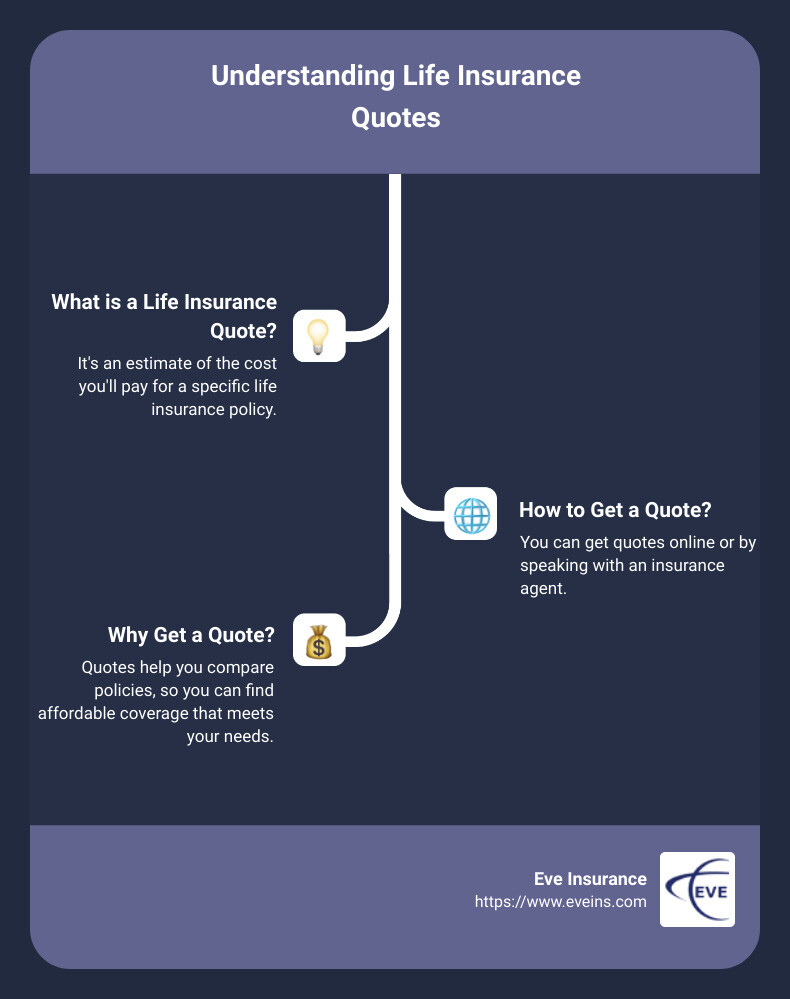
- What is a life insurance quote? It’s an estimate of the cost you’ll pay for a specific life insurance policy.
- How do you get a life insurance quote? You can get quotes online or by speaking with an insurance agent.
- Why is it important? A life insurance quote helps you compare policies, so you can find affordable coverage that meets your needs.
Life insurance isn’t just another financial product; it’s a safeguard. By paying regular premiums, you ensure that your loved ones receive a financial safety net when you can no longer provide for them.
Quick Search Results
- What is a life insurance quote? It’s an estimate of your policy’s premium.
- How do I get a quote? You can get quotes online or by talking to an agent.
- Why should I get a quote? Quotes help you find the best policy for your needs.
I’m Greg Eve, over the years, I have helped many people navigate the complexities of life insurance quotes and secure the ideal coverage for their families.
What is Life Insurance?
Life insurance is a contract between you and an insurance company. You pay regular premiums, and in return, the company provides a death benefit to your beneficiaries when you pass away. This benefit can be a financial lifeline for your loved ones during a difficult time.
Purpose of Life Insurance
The primary purpose of life insurance is to provide financial security to those who depend on your income. It ensures that your family can maintain their standard of living, pay off debts, and cover essential expenses if something happens to you.
Example: Imagine a family where one parent is the main breadwinner. If that parent unexpectedly passes away, life insurance can replace their income, helping the surviving family members manage their finances without drastic lifestyle changes.
Financial Security
Life insurance can cover various financial needs, such as:
- Income Replacement: Helps replace the lost income of the deceased.
- Debt Repayment: Pays off outstanding debts like a mortgage, loans, or credit cards.
- Educational Expenses: Ensures that your children can afford college or other educational pursuits.
- Final Expenses: Covers funeral and burial costs, which can be quite expensive.
Death Benefit
The death benefit is the amount of money paid to your beneficiaries when you die. This amount can range from a few thousand dollars to several million, depending on your policy. The death benefit is usually tax-free, providing full financial support to your loved ones.
Fact: According to Forbes, the death benefit can be used in any way your beneficiaries see fit, whether it’s to pay bills, invest, or save for future needs.

Real-Life Impact
Consider this real-life scenario: John, a 40-year-old father of two, had a term life insurance policy worth $500,000. When he tragically passed away in a car accident, his family received the death benefit. This money helped his wife pay off their mortgage, cover daily expenses, and save for their children’s college education. The life insurance policy provided a financial cushion during an incredibly challenging time.
Life insurance is more than just a policy; it’s a promise to protect your family’s future. By understanding its purpose and benefits, you can make informed decisions to secure the right coverage for your needs.
Types of Life Insurance
Term Life Insurance
Term life insurance is designed for temporary needs. It provides a death benefit to your beneficiaries if you pass away during the term of the policy, which can be 5, 10, 15, 20, or even 30 years.
- Affordable: Term life insurance often has lower premiums compared to other types of life insurance.
- No medical exam: Many term policies don’t require a medical exam, making it easier to get coverage quickly.
- Temporary needs: Ideal if you need coverage for a specific period, like until your mortgage is paid off or your children are grown.
For example, if you have a 20-year term policy and die within those 20 years, your beneficiaries receive the death benefit. If you outlive the term, the coverage ends unless you renew the policy.
Whole Life Insurance
Whole life insurance offers lifetime coverage, meaning it will pay out a death benefit no matter when you die, as long as you keep up with the premiums.
- Lifetime coverage: Guaranteed payout to your beneficiaries whenever you pass.
- Cash value: Part of your premium goes into a cash value account, which grows over time and can be accessed through loans.
- Level premiums: Your premium payments remain the same throughout the life of the policy.
Whole life insurance is more expensive than term life insurance, but it provides the added benefit of a cash value component. This can be a financial asset that grows over time. According to Investopedia, some whole life policies even pay dividends.
Universal Life Insurance
Universal life insurance is another form of permanent life insurance but with more flexibility.
- Adjustable premiums: You can adjust your premium payments within certain limits.
- Lifetime coverage: Provides a death benefit for your entire life.
- Cash fund: Includes a cash value component that earns interest based on current market rates.
Universal life insurance can be a good option if you want the flexibility to change your premiums or death benefit as your financial situation changes. However, it’s important to monitor the cash value, as insufficient funding can cause the policy to lapse.
Guaranteed Acceptance Whole Life Insurance
Guaranteed acceptance whole life insurance is designed for those who might have trouble qualifying for other types of life insurance due to health issues.
- No medical exam: Acceptance is guaranteed regardless of your health.
- Lifetime coverage: Offers coverage for your entire life.
- Level premiums: Your premium rate is locked in for the life of the policy.
This type of insurance is typically more expensive and offers lower coverage amounts, but it ensures that even those with health issues can get life insurance.
Each type of life insurance has its own benefits and is designed to meet different needs. Whether you need temporary coverage, want to build cash value, or require guaranteed acceptance, there’s a policy that can fit your situation.
How to Get a Life Insurance Quote
Factors Affecting Life Insurance Quotes
Getting a life insurance quote can seem complicated, but understanding the factors that affect it can make the process easier.
- Age: The younger you are, the cheaper your premiums will be. As you age, the cost increases.
- Health: Medical history, current health conditions, and family medical history play a big role. Insurers may require a medical exam to assess this.
- Lifestyle: Smoking, drinking, and dangerous hobbies like skydiving can increase your premiums.
- Coverage Amount: The more coverage you need, the higher your premiums will be.
- Policy Type: Term life insurance is generally cheaper than whole or universal life insurance.
Comparing Life Insurance Quotes
To find the best rates, it’s crucial to compare quotes from multiple insurers. Here’s how you can do it:
- Online Quotes: Many companies offer online tools to get a quick life insurance quote. This is a convenient way to start comparing options.
- Multiple Quotes: Don’t settle for the first quote you get. Compare quotes from at least three different insurers to find the best rate.
- Understanding Coverage: Make sure you understand what each policy covers. Look beyond the premium and consider the death benefit, term length, and any additional features.
Tip: Use online comparison tools to make this process easier. Websites like Forbes Advisor and U.S. News & World Report can help you compare rates from multiple insurers.
By keeping these factors in mind and using the right tools, you can find a life insurance policy that fits your needs and budget.
Average Costs of Life Insurance
When it comes to life insurance, understanding the costs can help you make an informed decision. Let’s dive into the average costs of term life insurance and whole life insurance.
Cost of Term Life Insurance
Term life insurance is generally the most affordable option. It provides coverage for a specific period, like 10, 20, or 30 years. Monthly premiums are lower than permanent life insurance, making it a popular choice for many.
Here’s a breakdown of average monthly premiums for term life insurance policies:
- $100,000 policy: For a healthy 25-year-old, this can cost as little as $13 per month. For a 65-year-old smoker, it can go up to around $100 per month.
- $250,000 policy: A healthy 25-year-old might pay about $16 per month, while a 65-year-old smoker could pay around $400 per month.
- $500,000 policy: This might cost a healthy 30-year-old female around $174 annually and a male around $219 annually, according to Forbes Advisor.
Factors affecting term life insurance quotes:
- Age: Younger individuals pay lower premiums.
- Health: Healthier individuals get better rates.
- Lifestyle: Smokers and those with risky hobbies pay more.
- Coverage amount: Higher coverage amounts increase premiums, but discounts may apply at certain levels (e.g., $500,000).
Cost of Whole Life Insurance
Whole life insurance is more expensive but offers lifelong coverage and builds cash value over time. This cash value can be accessed through loans or withdrawals, providing long-term benefits.
Here’s a look at average monthly premiums for whole life insurance policies:
- $100,000 policy: For a healthy 25-year-old, this might cost over $100 per month. For a 65-year-old smoker, it could be almost $1,000 per month.
- $250,000 policy: While exact rates vary, this coverage is significantly more expensive than term life. The premiums are higher due to the cash value component and lifelong coverage.
- $500,000 policy: Expect even higher premiums. Whole life insurance for this amount can be a major financial commitment.
Benefits of whole life insurance:
- Cash Value: Builds over time and grows tax-deferred.
- Level Premiums: Premiums remain constant throughout the policy.
- Loans: You can borrow against the cash value.
Age and Health Impact:
- Younger and Healthier: Lower premiums.
- Older or Unhealthy: Higher premiums.
By understanding these costs, you can better decide which type of life insurance fits your needs and budget. Whether you choose term or whole life insurance, get a life insurance quote to see the exact rates for your unique situation.
Eve Insurance
Location: Flint Township, MI
Eve Insurance is a local favorite in Michigan, known for its personalized approach. They offer personal insurance, making it easy to find the right coverage for your needs. What sets them apart is their 24/7 customer service, ensuring you’re always supported. Plus, their deep involvement in the community builds trust and reliability.
More Options
While Eve Insurance is a top choice, it’s always good to be informed about the general landscape of life insurance providers. Many companies offer competitive rates and various policy options that can meet your specific needs. When looking for insurance, consider factors such as customer service, policy flexibility, and overall reliability.
By exploring top life insurance options, you can find the right policy that fits your needs and budget. Whether you prioritize quick online applications, flexible term lengths, or community-focused customer service, there’s an option for everyone.
Frequently Asked Questions about Life Insurance Quotes
How much is $100,000 in life insurance a month?
The cost of a $100,000 life insurance policy can vary based on several factors like age, health, and type of policy. For a healthy 25-year-old, a term life insurance policy might cost as little as $13 per month. However, for a 65-year-old smoker, the same coverage could be around $400 per month.
Example: A 30-year-old non-smoker might pay approximately $15 to $20 per month for a $100,000 term life policy.
What is the average life insurance cost per month?
The average cost of life insurance depends on the type of policy and the insured’s profile. For example:
- Term Life Insurance: A healthy 25-year-old might pay around $16 per month for a $250,000 policy.
- Whole Life Insurance: For the same person, the cost can exceed $100 per month.
Fact: According to Forbes, term life insurance can cost as little as $13 per month for a healthy young adult, while whole life insurance can be much higher.
How much does a $500,000 life insurance policy cost?
A $500,000 life insurance policy’s cost will vary widely based on age, health, and policy type. Here are some average monthly premiums:
- Term Life Insurance: For a 30-year-old non-smoker, it might cost around $30 to $40 per month.
- Whole Life Insurance: The same person might pay $200 or more per month.
Statistic: The Insurance Information Institute suggests that premiums can be lower when purchasing higher coverage due to rate discounts.
Understanding these costs can help you make informed decisions about your life insurance needs. Now, let’s explore more about life insurance policies and how to find the best rates.
Conclusion
Life insurance is essential for ensuring your loved ones are financially secure if something happens to you. It provides a safety net that can cover expenses like mortgage payments, college tuition, and daily living costs. Knowing that your family will be taken care of can give you peace of mind.
Finding the Best Rates
When looking for the best life insurance quote, it’s crucial to compare multiple options. Online tools make it easy to get quotes from different insurers. Factors like age, health, and lifestyle significantly affect your premiums, so be honest when providing information. The cheapest policy isn’t always the best. Look for a balance between cost and coverage.
Financial Security
Life insurance offers more than just a death benefit. Policies like whole life and universal life can build cash value over time, providing a financial cushion you can use during your lifetime. This can be particularly useful for retirement planning or emergency expenses.
Eve Insurance
At Eve Insurance, we understand the importance of finding the right life insurance policy. Based in Flint Township, MI, we offer personalized service to help you navigate your options. Our 24/7 customer service ensures you’re never alone in your decision-making process. We’re also committed to our community, making us a trusted local choice.
In conclusion, life insurance is a critical component of financial planning. By finding the best rates and understanding the different types of policies, you can ensure your family’s financial future is secure. For personalized assistance, consider reaching out to Eve Insurance.
Ready to secure your family’s future? Get a quote from Eve Insurance today!