

Why Life Insurance for Seniors Is Crucial
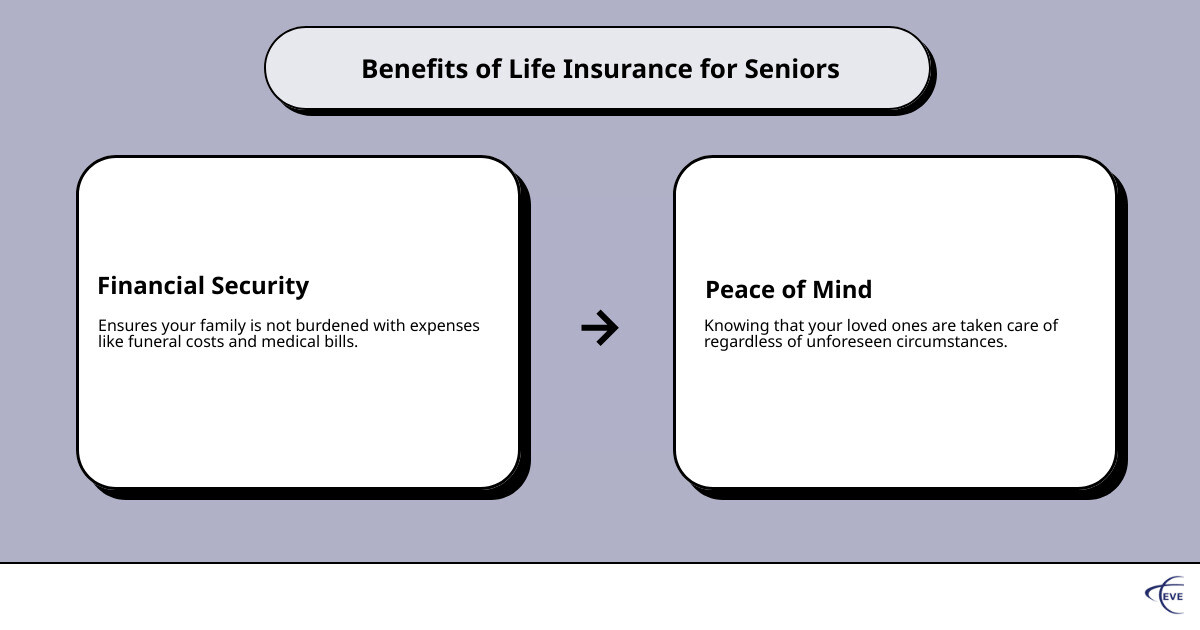
Life insurance for seniors is a key consideration as you look to secure your family’s financial future. Once you reach a certain age, ensuring your loved ones are protected from financial burdens becomes a priority. Here’s a quick look at why life insurance can be essential for seniors:
- Covers funeral and burial costs: Eases the financial strain on your family during their time of grief.
- Pays off debts: Ensures any outstanding debts or medical bills do not burden your loved ones.
- Leaves a legacy: Allows you to leave behind financial support for your spouse, children, or a cause you care about.
I’m Greg Eve, and over my career at Eve Insurance, I’ve seen how life insurance for seniors can offer peace of mind and security. Let me guide you through the options available so you can make the best decision for your circumstances.
Best Life Insurance Plans for Seniors
When it comes to life insurance for seniors, choosing the right plan can make all the difference in providing financial security and peace of mind. Below, we review some of the top-rated life insurance companies and their offerings for seniors.
Fidelity Life
Fidelity Life is a standout option for seniors, especially those with health issues or who have been denied coverage in the past. The company offers several permanent no-exam policies, including whole life, final expense, and accidental death benefit policies.
- RAPIDecision Senior Term Life: Available for ages 50 to 70 with terms of 10, 20, or 30 years, offering coverage amounts from $10,000 to $150,000. No medical exam required.
- Financial Strength: Holds an A rating with AM Best, indicating excellent financial stability.
MassMutual
MassMutual offers a range of policies suitable for seniors, including term and whole life insurance options. Known for its financial strength and customer service, MassMutual is a reliable choice.
- Whole Life Insurance: Provides lifetime coverage with the potential to accumulate cash value.
- Term Life Insurance: Offers flexible terms and can be converted to a permanent policy.
- Financial Strength: Holds an A++ rating from AM Best.
State Farm
State Farm is another solid choice, offering both term and whole life insurance policies tailored to seniors.
- Term Life Insurance: Available in various terms, providing flexibility and affordability.
- Whole Life Insurance: Offers lifetime coverage and cash value accumulation.
- Customer Service: Known for its excellent customer service and ease of claims processing.
New York Life
New York Life is highly rated for its comprehensive offerings and financial stability. It’s one of the few companies that issue policies to applicants up to age 90.
- Whole Life Insurance: Provides lifetime coverage and pays dividends annually.
- Term Life Insurance: Available with flexible terms and high coverage amounts.
- Financial Strength: Holds an A++ rating from AM Best and has been in business since 1845.
Guardian
Guardian Life stands out for its financial strength and low incidence of customer complaints.
- Whole Life Insurance: Offers lifetime coverage and pays dividends.
- Term Life Insurance: Available with various terms and coverage amounts.
- Financial Strength: A++ rating from AM Best.
Pacific Life
Pacific Life is known for providing a positive customer experience and a range of life insurance products.
- Term Life Insurance: Offers competitive rates and flexible terms.
- Whole Life Insurance: Provides lifetime coverage with cash value accumulation.
- Customer Experience: High customer satisfaction and strong financial ratings.
John Hancock
John Hancock is an excellent choice if you prefer a term policy with the option to convert to permanent coverage.
- Term Life Insurance: Offers a variety of term lengths and coverage amounts.
- Whole Life Insurance: Available for those looking for lifetime protection.
- Financial Strength: Holds a strong reputation and financial stability.
Protective
Protective Life Insurance offers affordable and flexible policies for seniors.
- Term Life Insurance: Known for competitive pricing and flexible terms.
- Whole Life Insurance: Provides lifetime coverage with cash value options.
- Customer Service: High ratings for customer satisfaction and claims processing.
Lincoln Financial
Lincoln Financial provides a range of life insurance products with strong financial backing.
- Term Life Insurance: Offers flexible terms and competitive rates.
- Whole Life Insurance: Provides lifetime coverage with the potential for cash value growth.
- Financial Strength: Holds a strong reputation and financial stability.
Choosing the right life insurance plan involves considering your unique needs, health status, and financial goals. Each of these companies offers robust options to help you find the best fit for your circumstances.

Next, let’s dive into the different types of life insurance available for seniors.
Types of Life Insurance for Seniors
Term Life Insurance
Term life insurance is a popular option for seniors who need coverage for a specific period. Policies can last for 10, 20, or 30 years. This type of insurance is often chosen for its lower premiums compared to permanent life insurance.
Benefits:
- Lower cost
- Flexible term lengths
- Fixed premiums for the term duration
Limitations:
- No payout if you outlive the term
- Premiums may increase with age and health conditions
For example, Fidelity Life offers term policies that don’t require a medical exam for applicants aged 50 to 70, making it a convenient option for seniors.
Whole Life Insurance
Whole life insurance provides lifetime coverage, meaning it lasts as long as you live, provided you pay the premiums. This type of policy also includes a cash value component that grows over time.
Benefits:
- Lifetime coverage
- Cash value accumulation
- Fixed premiums
Limitations:
- Higher premiums compared to term life
- Slower cash value growth in the initial years
Whole life insurance can be a good choice if you want to ensure that your beneficiaries receive a payout, no matter when you pass away. Companies like MassMutual offer robust whole life policies that build cash value over time.
Final Expense Insurance
Final expense insurance, also known as burial insurance, is designed to cover funeral costs and other end-of-life expenses. These policies typically offer smaller death benefits, usually between $5,000 and $25,000, but come with lower premiums.
Benefits:
- Lower premiums
- No medical exam required
- Specifically designed to cover funeral and burial costs
Limitations:
- Smaller death benefit
- Limited to covering final expenses
Aflac offers final expense insurance that helps your family manage the costs associated with your passing, without the financial burden.
Guaranteed Issue Life Insurance
Guaranteed issue life insurance is a type of policy that does not require a medical exam or health questions. It’s available to anyone, regardless of health conditions, but comes with higher premiums per dollar of coverage.
Benefits:
- No medical exam
- Guaranteed approval
Limitations:
- Higher premiums
- Limited coverage amounts
- Waiting period before full benefits are payable
This option is ideal for seniors with serious health issues who may not qualify for other types of life insurance. However, the coverage amounts are typically lower, often capping at $25,000.
Simplified Issue Life Insurance
Simplified issue life insurance offers a middle ground between traditional policies and guaranteed issue policies. There’s no medical exam, but you will need to answer a few health questions. This type of insurance provides quicker coverage but usually with smaller death benefits.
Benefits:
- No medical exam
- Quicker application process
- Moderate premiums
Limitations:
- Limited coverage amounts
- May still require some health information
This type of policy is suitable for seniors who want a balance between coverage and ease of application. Companies like Protective offer simplified issue policies that can be approved in a matter of days.
Understanding these types of life insurance can help you make an informed decision that best suits your needs and financial situation.
Let’s now explore the factors that affect life insurance premiums for seniors.
Factors Affecting Life Insurance Premiums for Seniors
When it comes to life insurance for seniors, several factors can significantly impact the premiums you pay. Understanding these factors can help you make better decisions and potentially save money. Let’s break down the key elements:
Age
Age is one of the most critical factors. As you age, the risk of health issues increases, which makes life insurance more expensive. For instance, a healthy, non-smoking senior over 80 could pay between $718 to $960 for a 10-year, $250,000 term life insurance policy.
Gender
Gender also plays a role. Men typically pay more for life insurance than women because they have a slightly lower life expectancy. This difference becomes more noticeable with higher coverage levels or more expensive policies.
Health
Health is a crucial factor in determining premiums. Insurers look at your personal and family health history. Conditions like diabetes, heart disease, or cancer can increase your premiums. However, maintaining good health and managing any conditions can help reduce costs.
Policy Type
The type of policy you choose significantly impacts your premiums:
- Term Life Insurance: Generally has lower premiums but only lasts for a specific period.
- Whole Life Insurance: Offers lifetime coverage and cash value but comes with higher premiums.
- Final Expense Insurance: Designed to cover end-of-life costs, with smaller death benefits and higher premiums per dollar of coverage.
- Guaranteed Issue Life Insurance: No medical exam required but higher premiums and limited coverage.
- Simplified Issue Life Insurance: No medical exam but some health questions, moderate premiums, and quicker approval.
Insurer’s Underwriting Standards
Each insurer has its own underwriting standards. Some may be more lenient with health conditions, while others might offer better rates for specific age groups. Shopping around and comparing quotes can help you find the best rates.
Summary Table
| Factor | Impact on Premiums |
|---|---|
| Age | Older age = Higher premiums |
| Gender | Men pay more than women |
| Health | Poor health = Higher premiums |
| Policy Type | Term is cheaper; Whole life is more expensive |
| Underwriting Standards | Varies by insurer; shop around for best rates |
Understanding these factors can help you find a policy that fits your needs and budget. Next, we’ll look at life insurance options specifically for seniors over 80.
Life Insurance for Seniors Over 80
Finding life insurance for seniors over 80 can be challenging, but it’s not impossible. There are several types of policies designed to meet different needs and budgets. Let’s explore the options available:
Policy Types
For seniors over 80, the main types of life insurance are:
- Term Life Insurance
- Whole Life Insurance
- Final Expense Insurance
- Guaranteed Issue Life Insurance
- Simplified Issue Life Insurance
Each type has its benefits and drawbacks, so understand what each offers.
Term Life Insurance
Term life insurance provides coverage for a set period, usually 10 to 30 years. For seniors over 80, the term lengths are shorter, and premiums can be high. However, this type of policy may be suitable for those with short-term needs.
- Coverage Length: 10 to 30 years
- Cost: Higher premiums due to age
- Benefits: Ideal for temporary coverage needs
- Limitations: Premiums increase with age; coverage ends when the term expires
Whole Life Insurance
Whole life insurance offers lifetime coverage and includes a cash value component that grows over time. This policy is more expensive but provides peace of mind knowing coverage won’t expire.
- Lifetime Coverage: Yes
- Cash Value: Grows with each premium payment
- Premiums: Higher for seniors over 80
- Benefits: Permanent coverage, cash value can be borrowed or withdrawn
- Limitations: Higher cost
Final Expense Insurance
Final expense insurance is a type of whole life policy with a smaller death benefit, designed to cover end-of-life costs like funeral expenses and medical bills.
- Funeral Costs: Covers funeral and burial expenses
- Medical Bills: Can cover outstanding medical bills
- Small Death Benefit: Typically $5,000 to $40,000
- Lower Premiums: Overall lower cost, but higher per dollar of coverage
- Benefits: No medical exam required, cash value component
Guaranteed Issue Life Insurance
Guaranteed issue life insurance is a whole life policy that requires no medical exam or health questions, making it accessible for seniors with health issues.
- No Medical Exam: Easy to qualify
- Limited Coverage: Smaller death benefit, usually up to $25,000
- Higher Premiums per Dollar: More expensive per unit of coverage
- Benefits: Guaranteed acceptance, cash value
Simplified Issue Life Insurance
Simplified issue life insurance offers a middle ground between traditional and guaranteed issue policies. It requires some health questions but no medical exam, making the application process quicker.
- No Medical Exam: Easier application process
- Medical Questions: Some health information required
- Quicker Application: Faster approval
- Smaller Coverage: Lower death benefit
- Benefits: Lower premiums compared to guaranteed issue, cash value
Summary
Choosing the right life insurance for seniors over 80 depends on individual needs and circumstances. Whether you need temporary coverage, a policy to cover final expenses, or a no-exam option, there are various plans available. That premiums will be higher due to age, but shopping around can help you find the best rates.
Next, we’ll answer some frequently asked questions about life insurance for seniors.
Frequently Asked Questions about Life Insurance for Seniors
Should a 70-year-old buy life insurance?
Yes, buying life insurance at 70 can be a smart move. Here’s why:
Retirement: Many seniors are living longer and might outlive their retirement savings. Life insurance can provide a financial cushion.
Debt: If you still have a mortgage, credit card debt, or other loans, life insurance can help pay off these debts, so they don’t fall on your family.
Income: Life insurance can replace lost income, which is crucial if a surviving spouse or family member depends on your pension or Social Security.
Family Support: If you want to leave something for your children or grandchildren, life insurance can be a way to provide financial support.
What does $9.95 a month get you with Colonial Penn?
Colonial Penn offers a popular plan for $9.95 per month. Here’s what you get:
Coverage Amount: The amount of coverage you get depends on your age and gender. Typically, it’s a limited amount, often just enough to cover final expenses.
Units: Colonial Penn sells coverage in units. Each unit provides a specific amount of coverage, which varies by age and gender. For example, one unit might be worth $1,000 for a 70-year-old man.
Age and Gender: These factors heavily influence the amount of coverage you get for $9.95. Older adults and men usually get less coverage per unit compared to younger adults and women.
How much is $100,000 in life insurance a month?
The cost of a $100,000 life insurance policy varies based on several factors:
Age: Younger seniors pay less. For example, a 60-year-old might pay between $100 and $200 per month, while a 70-year-old might pay $160 to over $300 per month.
Gender: Men typically pay more than women. This is because men generally have a shorter life expectancy.
Health: Your health status plays a significant role. If you’re in good health, you’ll pay less. However, any pre-existing conditions can increase your premiums.
Type of Policy: Term life insurance usually costs less than whole life insurance. For instance, a healthy, non-smoking senior might pay $718 to $960 annually for a 10-year, $250,000 term policy. On the other hand, whole life insurance premiums are higher due to lifetime coverage and cash value.
By understanding these factors, you can better estimate the cost of life insurance and choose a policy that fits your needs and budget.
Conclusion
Finding the right life insurance for seniors is crucial for ensuring financial security and peace of mind. Whether you need to cover final expenses, pay off debts, or provide for your loved ones, there’s a policy out there to fit your needs.
At Eve Insurance, we understand that every senior’s situation is unique. That’s why we offer tailored solutions designed to meet your specific needs. Whether you’re in Flint Township, MI, or anywhere else in Michigan, our dedicated agents are here to help you navigate your options.
We take pride in our community involvement and commitment to providing personalized service. Our goal is to make sure you feel confident and secure in your choice of life insurance, knowing that your family will be taken care of.
For more information on finding the perfect life insurance policy, visit our Life Insurance page. Let us help you find the peace of mind you deserve.