

The Importance of Foundation Coverage in Home Insurance
Does home insurance cover foundation repair? It’s a common question with crucial implications for any homeowner. Understanding the scope of your home insurance policy regarding foundation repair is vital. In summary:
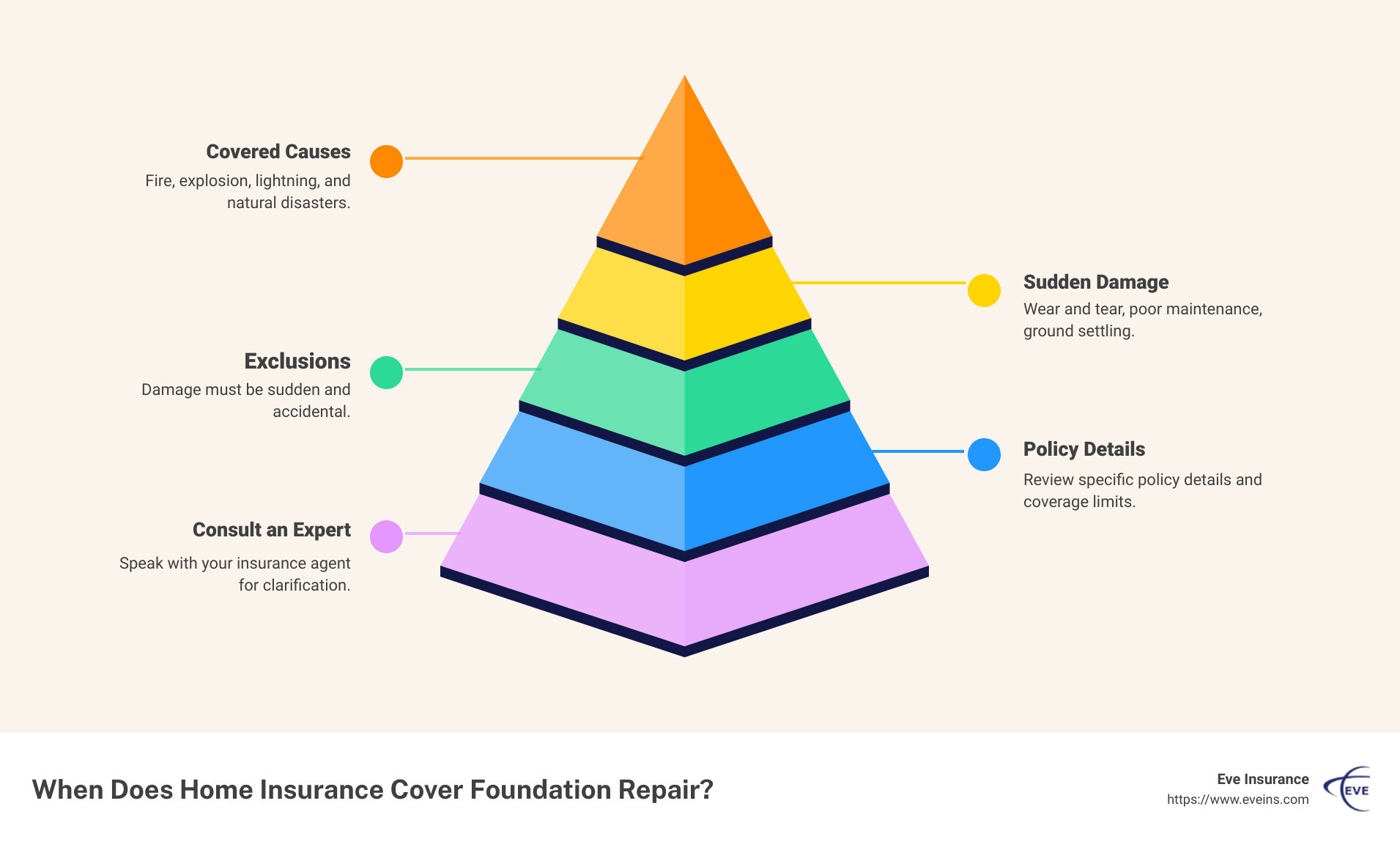
- Covered Causes: Most homeowners insurance policies cover foundation repair, but only if the damage is due to a covered peril, such as fire, explosion, lightning, or certain natural disasters.
- Excluded Causes: Damage from normal wear and tear, poor maintenance, ground settling, and erosion is generally not covered.
As your home is likely one of your most significant investments, ensuring your foundation is protected can save you from unexpected and potentially massive expenses. Proper coverage is not just a safeguard but a necessity for preserving the structural integrity and value of your home.
My name is Greg Eve, and I’ve dedicated my career to helping homeowners understand insurance complexities. With over a decade in the industry, I’ve often fielded questions like, “Does home insurance cover foundation repair?” I’m here to simplify these decisions and help you ensure your home remains your safest haven.
What is Covered by Home Insurance?
When it comes to home insurance, understanding what is covered can help you avoid unexpected expenses. Let’s break down the covered perils, specific events, and policy types to give you a clear picture.
Covered Perils
Home insurance typically covers a range of perils, or risks, that can damage your home. These are the most common perils covered:
- Fire: If a fire damages your home, including the foundation, your insurance will usually cover the repair costs.
- Windstorm: Strong winds, such as those from hurricanes or tornadoes, can cause significant damage. Windstorm coverage is often included in standard policies.
- Lightning: A lightning strike can cause direct damage or start a fire. Both scenarios are typically covered.
- Falling Objects: If a tree or other object falls onto your home, causing damage to the foundation, this is usually covered.
- Water Damage: This includes water damage caused by plumbing, heating, or air conditioning overflow.

Policy Types
Home insurance policies come in different types, each offering varying levels of coverage. Here’s a quick rundown:
- HO1 (Basic Coverage): This is the most basic form of home insurance, covering only a few specific perils like fire and theft.
- HO2 (Broad Coverage): This policy covers more perils than HO1, including all those listed above.
- HO3 (Special Coverage): This is the most common type of home insurance. It provides coverage for all perils except those specifically excluded in the policy.
- HO5 (Comprehensive Coverage): Similar to HO3 but with broader coverage and higher limits. It covers more types of personal property and offers fewer exclusions.
Understanding your policy type is crucial. For instance, an HO3 policy will cover most perils, making it a popular choice for homeowners who want extensive protection.
Next, we’ll dive into when home insurance covers foundation repair and explore specific covered events as well as exclusions and limitations.
When Does Home Insurance Cover Foundation Repair?
Specific Covered Events
Does home insurance cover foundation repair? The short answer is: it depends. Home insurance typically covers foundation damage if it results from a covered peril. These perils are specific events that your policy explicitly states it will cover.
Here are some common covered events:
- Fire: If a fire damages your foundation, your home insurance should cover the repair costs.
- Windstorm: Damage from windstorms, including tornadoes, is generally covered. However, in some high-risk areas, windstorm coverage may have special conditions or require a separate policy.
- Vehicle Impact: If a car accidentally crashes into your home, causing foundation damage, your insurance policy will likely cover the repairs.
- Explosion: Explosions, whether from a gas leak or another source, are usually covered events.
- Riot or Vandalism: Damage caused by riots or acts of vandalism is typically covered.
- Volcanic Eruption: While less common, damage from volcanic eruptions is often included in standard policies.
- Water Overflow: If water from an overflow in your A/C, heating, or plumbing system damages your foundation, it should be covered.
Sudden and Accidental Loss is a key term here. Your insurance will cover the foundation repair if the damage is sudden and unexpected, like a burst pipe or a fallen tree.
Exclusions and Limitations
Not all foundation damage is covered by home insurance. Understanding these exclusions is crucial to avoid unexpected costs.
Here are some common exclusions:
- Normal Wear and Tear: Foundation damage due to aging or regular use is not covered. This includes cracks from settling over time.
- Settling and Shifting: Natural settling or shifting of the ground is typically excluded. This is considered a maintenance issue, not an insurable event.
- Faulty Construction: If your foundation problems stem from poor construction or building practices, your policy won’t cover the repairs.
- Earth Movement: Earthquakes, landslides, and sinkholes are usually not covered under standard policies. You might need separate endorsements or policies for these events.
- Neglect and Lack of Maintenance: Damage from neglect, such as failing to address minor issues that become major problems, is not covered.
- Tree Roots: Invasive tree roots causing foundation damage are generally excluded from coverage.
Understanding these exclusions and limitations can help you take preventive measures and avoid costly repairs. For instance, maintaining proper drainage and monitoring soil moisture can prevent many foundation issues.
Next, we’ll explore common causes of foundation damage and how to spot early warning signs.
Common Causes of Foundation Damage
Your home’s foundation can face damage from a variety of sources. Understanding these can help you take steps to prevent issues before they become major problems.
Environmental Factors
Temperature Changes: Fluctuations in temperature can cause the soil around your foundation to expand and contract. This can lead to cracks and shifts in the foundation.
Poor Drainage: Water pooling around your home’s foundation can lead to soil erosion and increased pressure on the foundation walls. Proper drainage systems, like gutters and French drains, are essential to divert water away from the house.
Tree Roots: Trees planted too close to your home can have roots that grow into and under the foundation. These roots can cause cracks and shifts as they expand.
Soil Moisture: Both too much and too little moisture can be harmful. Excessive moisture can cause the soil to expand, while a lack of moisture can lead to soil shrinkage. Both conditions can result in foundation cracks and instability.
Natural Disasters
Earthquakes: These can cause significant foundation damage due to the intense shaking and ground movement. However, standard homeowners insurance policies usually do not cover earthquake damage. You may need separate earthquake insurance for this.
Floods: Flooding can lead to severe erosion and water damage to your foundation. Like earthquakes, flood damage is typically not covered by standard policies. Separate flood insurance is often necessary.
Mudslides: These can occur in areas with heavy rainfall or rapid snowmelt, leading to severe foundation damage as the ground shifts and moves.
Tornadoes: The high winds and flying debris from tornadoes can cause structural damage to your foundation. While damage from tornadoes is often covered by homeowners insurance, it’s important to check the specifics of your policy.
Plumbing Leaks
Leaks from plumbing can also cause foundation damage. Water from broken pipes can erode the soil, leading to foundation cracks and shifts. While some homeowners insurance policies may cover water damage from plumbing leaks, it’s crucial to understand the specifics of your coverage.
By understanding these common causes of foundation damage, you can take proactive steps to protect your home. Regular inspections and maintenance can go a long way in preventing costly repairs.
Next, we’ll discuss how to spot foundation damage early and what preventive measures you can take.
How to Spot Foundation Damage Early
Warning Signs
Cracks: Cracks in your home’s walls, floors, or exterior can signal foundation problems. Horizontal or zig-zag cracks are particularly concerning. If these cracks grow or become longer, it could mean the foundation issues are worsening.
Moisture: A wet crawl space or damp basement can indicate a cracked foundation. Moisture can weaken the foundation over time, leading to more severe damage.
Crumbling: If you notice rust-colored residue or white powder on your foundation, it could be crumbling. This slow deterioration can lead to a failed foundation.
Shifting Walls: Warped or leaning walls, floors, or ceilings are signs of foundation issues. You might also notice that doors and windows no longer fit properly or stick when you try to open them.
Misaligned Doors/Windows: Doors that don’t latch properly or windows that are hard to open can signal foundation settling or shifting.
Preventive Measures
Proper Drainage: Ensure water drains away from your home. Aim for at least 6 inches of grading away from your house in the 10 feet surrounding it. This helps prevent water from pooling around the foundation.
Tree Root Management: Keep trees at a safe distance from your home. A good rule is to allow one foot of space for roots for each inch of trunk thickness. For example, a tree with a 6-inch diameter trunk should be at least 6 feet away from your foundation.
Gutter Maintenance: Clean your gutters regularly to prevent water from spilling over and pooling around your foundation. Clogged gutters can lead to moisture-related issues.
Soil Moisture Control: Maintain the soil near your home to avoid it becoming too wet or too dry. During drought conditions, water the soil with a hose to keep it moist. Mulch can also help maintain soil moisture levels and temperature.
Inspection Tips: Regularly inspect your foundation for any signs of damage. Look for cracks, moisture, crumbling, and shifting walls. If you notice any warning signs, contact a professional to assess the situation promptly.
By taking these preventive measures and staying vigilant for warning signs, you can protect your home’s foundation and avoid costly repairs. Regular maintenance and inspections are key to keeping your foundation in good shape.
Frequently Asked Questions about Foundation Repair Coverage
Does homeowners insurance cover cracked foundation?
Yes, but only under certain circumstances. Homeowners insurance typically covers foundation cracks if they are caused by a covered peril. For example, if a fire or a burst pipe leads to foundation damage, your policy may cover the repairs. However, cracks caused by normal wear and tear, settling, or poor maintenance are generally not covered.
According to Home Advisor, the cost of foundation repairs can range from $2,187 to $7,872. Understanding what your policy covers can save you from unexpected expenses.
Does homeowners insurance cover structural problems?
It depends on the cause of the structural problems. If the structural damage is due to a covered event like a vehicle crashing into your home or an explosion, your insurance will likely cover the repairs. However, damage due to faulty construction, poor maintenance, or natural settling is typically excluded.
For instance, if tree roots grow into your foundation and cause structural issues, this may not be covered unless your policy explicitly includes such scenarios. Regular inspections and maintenance are crucial to prevent such problems.
Does insurance cover leaks under the foundation?
Generally, no. Most standard homeowners insurance policies do not cover leaks under the foundation if they result from poor maintenance or gradual seepage. However, if the leak is sudden and accidental, such as from a burst pipe, it may be covered.
Water seepage from the ground is usually excluded. If you live in a flood-prone area, consider purchasing additional flood insurance to cover potential foundation issues caused by flooding.
By understanding these key points, you can better navigate your homeowners insurance policy and ensure you have the right coverage for your foundation. Regular maintenance and inspections are essential to avoid costly repairs and keep your home safe.
Conclusion
Understanding whether home insurance covers foundation repair is crucial for protecting one of your most valuable assets—your home. Not all types of damage are covered, so knowing the specifics can save you from unexpected financial burdens.
Summarizing Key Points:
- Covered Perils: Homeowners insurance typically covers foundation damage caused by sudden and accidental events like fire, windstorms, or vehicle impacts. However, damage from normal wear and tear, poor maintenance, or ground settling is usually not covered.
- Environmental and Natural Causes: Issues like invasive tree roots, poor drainage, and soil moisture can affect your foundation. Natural disasters such as earthquakes and floods require separate insurance policies.
- Preventive Measures: Regular inspections, proper drainage, and maintenance can help you spot early signs of foundation damage and take action before it becomes a major issue.
Why Understanding Coverage is Important:
Knowing what your policy covers helps you make informed decisions. It ensures you aren’t caught off guard by exclusions or limitations when you need to file a claim. Regularly reviewing and updating your policy can also help you stay protected against new risks.
At Eve Insurance, we aim to provide comprehensive coverage tailored to your needs. Understanding your policy and maintaining your home can save you from costly repairs and keep your home safe for years to come.
If you have questions about your coverage or need to update your policy, don’t hesitate to contact us. We’re here to help you protect your home and your peace of mind.